

Introduction
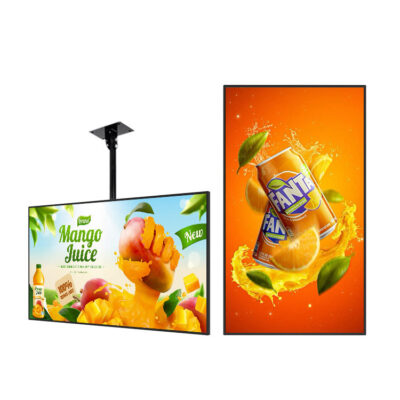
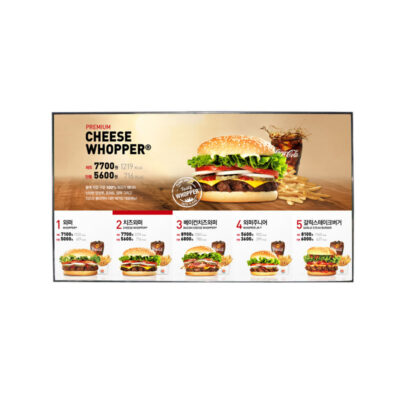
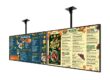
The food service industry is fast-paced, competitive, and heavily reliant on customer experience. While printed menus were once the standard, restaurants today increasingly rely on digital menu boards for greater efficiency, flexibility, and engagement. This transition reflects not just a trend, but a long-term shift in how businesses manage their operations and connect with customers.
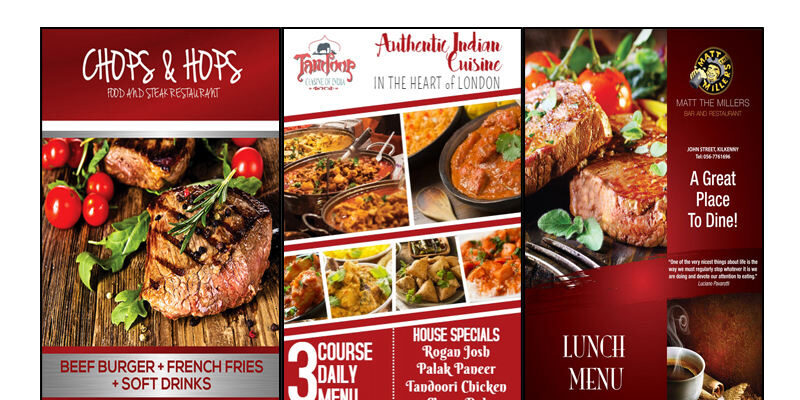
📌 Limitations of Printed Menus
Traditional menus have served restaurants for decades, but they come with significant drawbacks:
Costly Reprints – Menu changes, seasonal updates, or pricing adjustments require new printing.
Inflexibility – Once printed, errors or changes can’t be easily corrected.
Lack of Engagement – Static displays fail to capture attention in the same way dynamic visuals can.
Brand Inconsistency – For multi-location restaurants, ensuring identical menus is challenging.
📺 Advantages of Digital Menu Boards
Real-Time Updates
Prices, specials, and promotions can be updated instantly, across one or multiple outlets.Visual Engagement
High-definition videos and images boost appetite appeal and influence purchase decisions.Operational Efficiency
Staff spend less time explaining items since visuals provide clarity.Brand Consistency
Centralized content management ensures uniform presentation across all branches.Cost Savings Over Time
Though initial investment is higher, restaurants save on printing and reduce wasted materials.
By sourcing from trusted Digital Menu Boards Suppliers, restaurants gain access to reliable systems designed for high-volume use.
🍴 Impact on Customer Experience
Clarity and Transparency – Digital displays show clear product images, pricing, and nutritional data.
Faster Ordering – Customers decide quickly, reducing wait times during rush hours.
Upselling Opportunities – Highlighting combo deals and premium items drives higher sales.
Modern Ambience – Sleek digital boards enhance the overall dining atmosphere.
⚙️ Operational and Marketing Flexibility
Daypart Scheduling – Automatically switch from breakfast to lunch or dinner menus.
Promotion Management – Launch seasonal campaigns across all outlets instantly.
Inventory Integration – Out-of-stock items can be removed from menus in real time.
Energy Efficiency – Modern LED displays consume less power while running long hours.
For large-scale rollouts, bulk procurement via Digital Signage Wholesale ensures consistent technology and better pricing.
🚀 Long-Term Benefits for Restaurants
Enhanced revenue growth through upselling
Reduced costs linked to menu reprints
Consistency across franchise networks
Stronger branding through visual storytelling
Conclusion
Restaurants prefer digital menu boards over printed menus because they deliver flexibility, stronger branding, and higher ROI. By working with reliable suppliers and considering wholesale procurement, food service businesses can transform their operations and elevate customer experience in today’s competitive market.