

Introduction
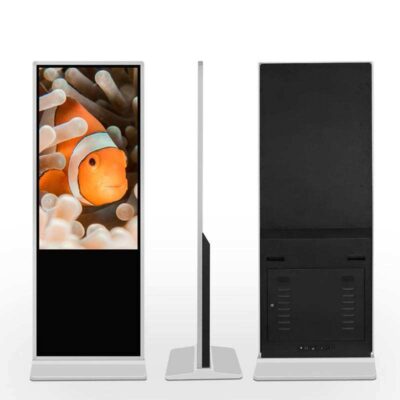
Museums and cultural exhibitions rely on effective communication tools to engage visitors, educate audiences, and present content in a visually appealing manner. Static signs, while traditional, lack the flexibility required by modern institutions. This is where indoor digital signage displays play a vital role, combining technology with creativity to transform visitor experiences.
📌 Key Roles of Indoor Signage in Museums
Interactive Learning – Displays provide dynamic content such as videos, animations, and augmented reality features.
Wayfinding Assistance – Digital maps guide visitors through large museums or exhibition halls.
Event Promotion – Announce upcoming shows, talks, or guided tours instantly.
Multilingual Accessibility – Present information in multiple languages to cater to global audiences.
By sourcing solutions from professional Indoor Digital Signage Suppliers, cultural institutions can implement reliable and durable systems designed for continuous use.
🖼 Benefits for Museums and Exhibitions
Enhanced Engagement – Visitors interact with exhibits through touch screens and multimedia content.
Real-Time Updates – Staff can instantly update content for temporary exhibitions or special events.
Consistency and Branding – Digital displays provide a modern, uniform look across all galleries.
Revenue Opportunities – Displays can feature sponsorships or donor recognition messages.
Accessibility for All – Inclusive features, such as text-to-speech or adjustable font sizes, improve visitor experience.
⚙️ Features to Consider When Choosing Displays
High-Resolution Screens – Ensure clarity for artwork details or historical artifacts.
Content Management Systems (CMS) – Allow staff to schedule and update content with ease.
Durability – Designed for long hours of operation in public spaces.
Energy Efficiency – Helps museums reduce operational costs.
Scalability – Expand signage networks as exhibitions grow.
🌍 Practical Applications
Exhibit Introductions: Provide detailed context about artifacts or collections.
Virtual Tours: Offer immersive experiences for exhibits under preservation.
Educational Content: Present documentaries, animations, or expert interviews.
Interactive Kiosks: Allow visitors to explore additional content beyond what’s on display.
For large cultural projects, procuring through Digital Signage Wholesale ensures cost-effective implementation while maintaining consistent quality across multiple locations.
🚀 Long-Term Value
Digital signage not only elevates the visitor experience but also strengthens the institution’s reputation as a modern and innovative space. By investing in long-lasting technology, museums and cultural centers can ensure continued engagement, better visitor flow, and stronger brand recognition.
Conclusion
Indoor signage displays are reshaping museums and exhibitions by offering interactive, multilingual, and dynamic communication tools. Partnering with trusted suppliers and leveraging wholesale solutions guarantees reliable performance, scalability, and cost savings. Cultural institutions that embrace this technology will deliver more memorable and meaningful experiences to their audiences.